

Determining whether a YouTube channel is monetized can be important for various reasons, such as understanding the content creator’s revenue potential, evaluating partnership opportunities, or simply satisfying personal curiosity. Monetization on YouTube means that the channel owner has enabled ads to appear on their videos and is earning income from views, clicks, or other ad interactions. However, YouTube does not provide a direct public indicator showing if a channel is monetized. Despite this limitation, there are several methods and clues you can use to find out if a channel is likely monetized.
One of the most straightforward ways to check if a channel might be monetized is by observing the presence of advertisements during video playback. If you watch multiple videos from the same creator and notice pre-roll ads (ads before videos), mid-roll ads (ads in between longer videos), or banner ads displayed alongside the video player, it’s an indication that the creator has enabled YouTube monetization checker‘s Partner Program. However, some viewers may have ad blockers installed or use premium subscriptions like YouTube Premium which remove ads altogether; in these cases absence of ads does not necessarily mean lack of monetization.
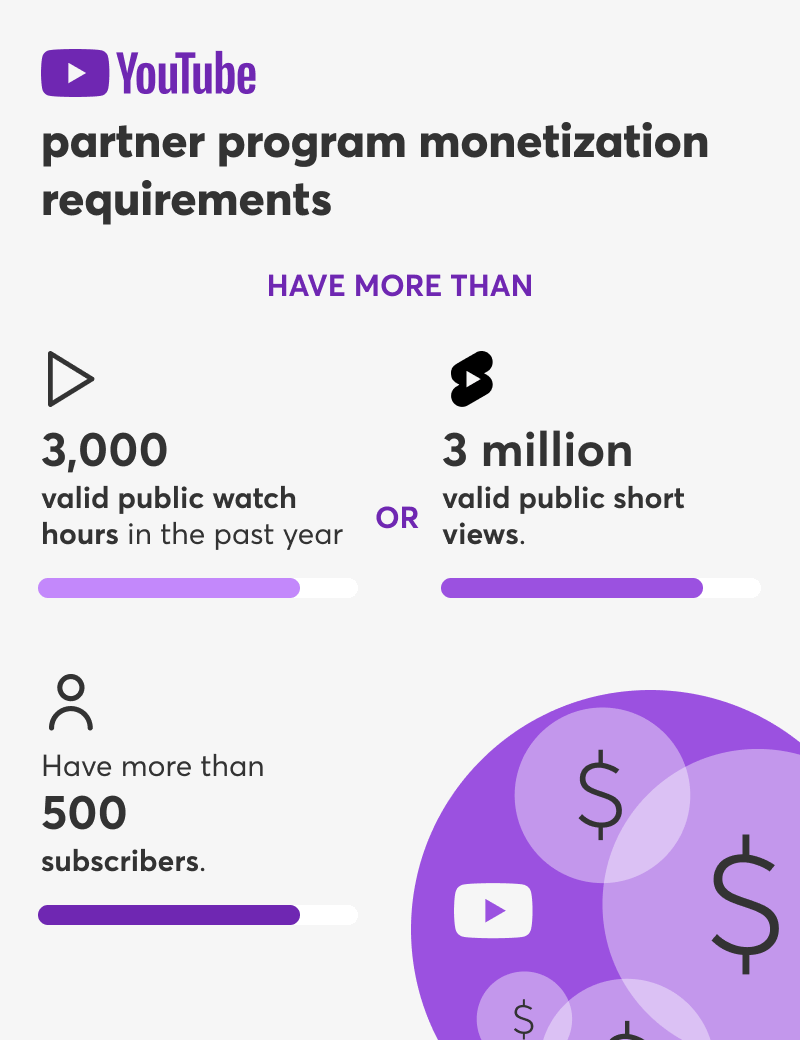
Another indirect method involves looking at the number of subscribers and views per video. Generally speaking, channels with significant followings-often above 1,000 subscribers-and regular view counts exceeding 4,000 watch hours over 12 months meet YouTube’s eligibility requirements for joining its Partner Program. While reaching these milestones doesn’t guarantee immediate monetization status (as creators must apply and be approved), it strongly suggests they are either already earning revenue or actively working toward it.
You can also examine community engagement features such as memberships or merchandise shelves available on some channels. These options become accessible only after certain thresholds are met and often coincide with active participation in monetization programs beyond just advertising revenue.
For those seeking more detailed insights about a channel’s earnings without direct access to internal data-which only owners possess-third-party tools like Social Blade offer estimates based on public statistics including subscriber counts and view numbers. While these figures are approximations rather than exact amounts paid by YouTube advertisers, they provide useful benchmarks indicating whether a channel generates substantial income.
In conclusion, while no single definitive public marker confirms if any given YouTuber is fully monetizing their content due to privacy policies and platform restrictions, analyzing advertisement presence during videos along with subscriber count thresholds offers practical clues. Coupled with external analytic platforms providing estimated earnings data derived from publicly available metrics further helps paint an informed picture regarding a channel’s monetization status.